
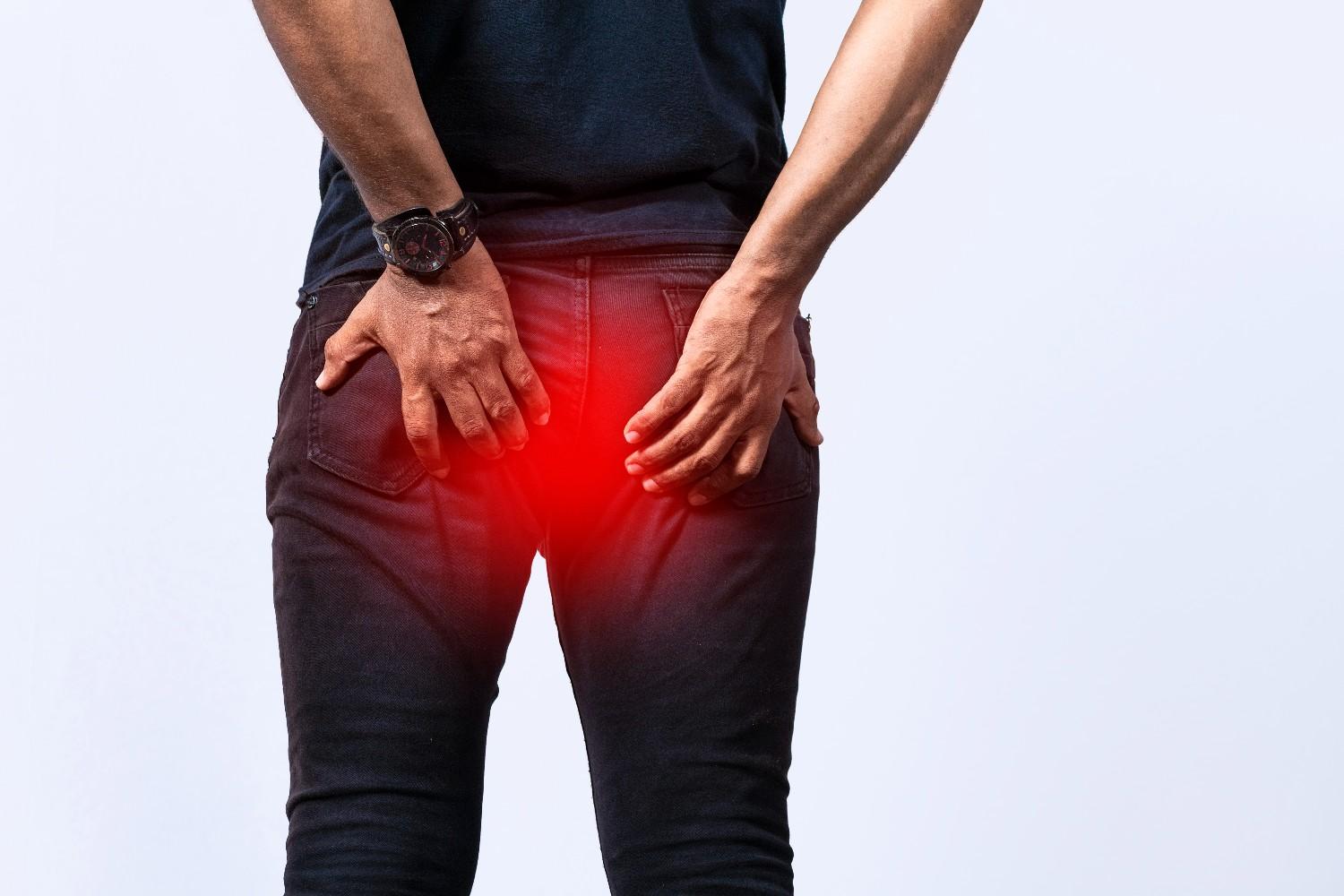
Most people call every anal problem “piles,” but that is not always correct. Sometimes the problem may be piles. Sometimes it may be a fissure, which is a small cut in the skin. In some cases, it may be a fistula, which is an infected tunnel under the skin.
These three conditions can happen in the same area, but they are very different from each other. Their symptoms, causes, and treatments are also different. That is why visiting a piles doctor in Thane is important if you have repeated pain, bleeding, swelling, or discharge.
Bleeding during stool, pain while sitting, swelling near the anus, or pus discharge should not be ignored. Many patients try creams, home remedies, or medicines without knowing the exact reason behind the problem.
This may give temporary relief, but it may not treat the actual condition. A doctor can examine you properly and tell you whether it is piles, fissure, fistula, infection, or something else.
Doctors often see patients who delay treatment because they feel embarrassed. But piles, fissures, and fistulas are medical conditions, just like fever, acidity, or infection. With the right diagnosis and treatment, most patients can get good relief.
Piles are also called hemorrhoids. They are swollen blood vessels in or around the anus. You can think of them like swollen veins.
Piles may be present inside the rectum, or they may come out near the anus. In many cases, piles cause bleeding but not much pain. Some people notice bright red blood after passing stool. Others may feel itching, swelling, heaviness, or a soft lump near the anus.
Piles can become painful if they swell too much, form a clot, or come outside and do not go back in. If you notice these symptoms, it is better to consult a piles doctor in Thane instead of guessing the problem.
Common symptoms of piles include bright red bleeding during or after passing stool, itching near the anus, swelling, a soft lump, pain while sitting, and a feeling that stool has not passed completely.
Some patients also feel heaviness or discomfort in the anal area. The symptoms may be mild in the beginning, but they can become worse if constipation and straining continue.
Piles usually happen because of pressure on the blood vessels near the anus. This pressure makes the veins swell.
Common causes include constipation, sitting on the toilet for a long time, pushing hard while passing stool, low-fiber diet, drinking less water, pregnancy, obesity, heavy lifting, and sitting for long hours at work.
If piles keep coming back, lifestyle changes are important. But in some cases, medical treatment or laser piles treatment in Thane may be needed.
An anal fissure is a small cut or tear in the skin near the anus. It usually happens when hard or large stool passes through and stretches the skin too much.
A fissure can be very painful because the anal area is sensitive. Many patients feel sharp pain while passing stool. The pain may continue even after using the bathroom. Some people also feel burning, tightness, or fear of passing stool because of the pain.
Fissures may look small, but they can cause a lot of discomfort. Early fissures may improve with medicines, stool softeners, warm water baths, and diet changes. But if a fissure becomes chronic, proper fissure treatment in Thane may be needed.
Common symptoms of fissure include sharp pain while passing stool, burning pain after stool, small amounts of bright red blood, tightness near the anus, and fear of passing stool because of pain.
In long-standing cases, a small skin tag may also form near the tear. This is why early treatment is always better.
The most common cause of fissure is hard stool. When stool becomes dry and difficult to pass, it can tear the delicate skin near the anus.
Constipation, drinking less water, eating less fiber, repeated loose motions, pregnancy, and excessive straining can also lead to fissures.
Many patients make the problem worse by delaying stool because they fear pain. This makes the stool harder, and the fissure becomes more painful. A doctor can help break this cycle with the right treatment.
An anal fistula is an abnormal tunnel that forms between the inside of the anus and the outer skin. It usually starts after an infection or pus collection near the anus.
When pus forms inside, it may create a path to come out through the skin. This path becomes a tunnel. That tunnel is called a fistula.
A fistula may cause repeated swelling, pain, pus discharge, bad smell, and irritation. Sometimes the swelling may reduce after pus comes out, but it often comes back again. This is why fistulas usually need proper medical care and do not heal completely with home remedies.
Common symptoms of fistula include pus or fluid discharge near the anus, bad smell, repeated swelling, pain while sitting or walking, redness, tenderness, and sometimes fever.
If you are noticing pus discharge or repeated swelling near the anus, you should not delay treatment. A fistula can become more complicated if ignored.
Fistulas usually begin with an infection in a small gland near the anus. When the gland gets blocked, bacteria can grow and pus can form. If this pus drains out, it may leave a tunnel behind.
Some patients may also develop fistulas due to repeated abscess, Crohn’s disease, previous surgery, or long-standing infection. A proper check-up is needed to understand the type and depth of the fistula.
Piles are swollen blood vessels. They usually cause bleeding, swelling, itching, or a lump.
A fissure is a small tear in the anal skin. It usually causes sharp pain and burning while passing stool.
A fistula is an infected tunnel under the skin. It usually causes pus discharge, repeated swelling, and constant discomfort.
These symptoms can sometimes overlap. That is why self-diagnosis is risky. A trained colorectal surgeon in Thane can examine the area and tell you the exact condition.
Piles, fissures, and fistulas need different treatment plans. A cream used for piles may not help a fistula. Home remedies may soothe a fissure for some time, but they may not heal a chronic fissure.
A fistula usually needs proper medical treatment because the infected tunnel may not close on its own. When you visit a doctor early, treatment is usually simpler. Delaying care can make the condition more painful and complicated.
For mild piles or a fresh fissure, simple lifestyle changes may help. Doctors usually advise patients to keep stool soft and avoid straining.
You should eat more fiber-rich foods like fruits, vegetables, and whole grains. Drink enough water throughout the day. Avoid pushing hard during stool. Do not sit on the toilet for a long time.
Warm sitz baths can also give comfort. Walking daily can improve digestion. These steps can support healing, but they are not a replacement for medical treatment if symptoms are severe or repeated.
You should see a doctor if you have bleeding again and again, severe pain, pus discharge, swelling, fever, or a lump that does not reduce.
You should also consult a doctor if you have taken medicines but the problem keeps coming back. For many patients, early treatment can prevent the condition from becoming worse.
Modern treatment options have made recovery easier for many patients. In selected cases, laser treatment may be used for piles, fissures, and fistulas.
Laser piles treatment in Thane may be advised when piles are large, bleeding, painful, or not improving with medicines. Laser treatment can help treat the swollen vessels with less discomfort in suitable cases.
For chronic fissures, treatment depends on how long the fissure has been present and whether there is muscle tightness. For fistulas, laser or other surgical methods may be used depending on the fistula tract, depth, and infection.
The best treatment is always decided after examination. Not every patient needs laser, and not every case can be treated in the same way.
Anal problems need careful diagnosis because symptoms can look similar. A specialist can identify whether the issue is piles, fissure, fistula, abscess, infection, or another condition.
Choosing the right piles doctor in Thane helps you get the correct treatment from the beginning. This can save time, reduce pain, and prevent repeated medicines without proper results.
If you are looking for a piles doctor in Thane, you can consult Dr Sonal Bharat Chavan. She is a colorectal and laser surgeon in Thane with more than 16 years of experience.
Dr Sonal Bharat Chavan treats piles, fissures, fistulas, and other colorectal conditions with a patient-friendly and diagnosis-based approach. Depending on your condition, she may suggest medicines, lifestyle changes, laser treatment, or a suitable surgical procedure.
Patients can visit for proper diagnosis and treatment guidance for anal pain, bleeding, swelling, itching, or pus discharge.
You should not wait if you notice heavy bleeding, severe pain, fever, pus discharge, repeated swelling, or a painful lump near the anus.
You should also visit early if you are diabetic, elderly, pregnant, or have repeated infection near the anus.
Piles, fissures, and fistulas are common but different conditions. Piles are swollen blood vessels. A fissure is a painful cut in the skin. A fistula is an infected tunnel that may cause pus discharge and repeated swelling.
The symptoms may feel similar, but the treatment is not the same. That is why guessing or using random creams is not the right approach.
If you have bleeding, pain, swelling, itching, or discharge, consult an experienced piles doctor in Thane. With the right diagnosis and timely treatment, you can get relief and return to a more comfortable daily life.
202, Jagdale Avesa, above Pop Tates, Unnathi Gardens, Gandhi Nagar, Thane West, Thane, Maharashtra 400610